
Drawing Of Cotton Gin
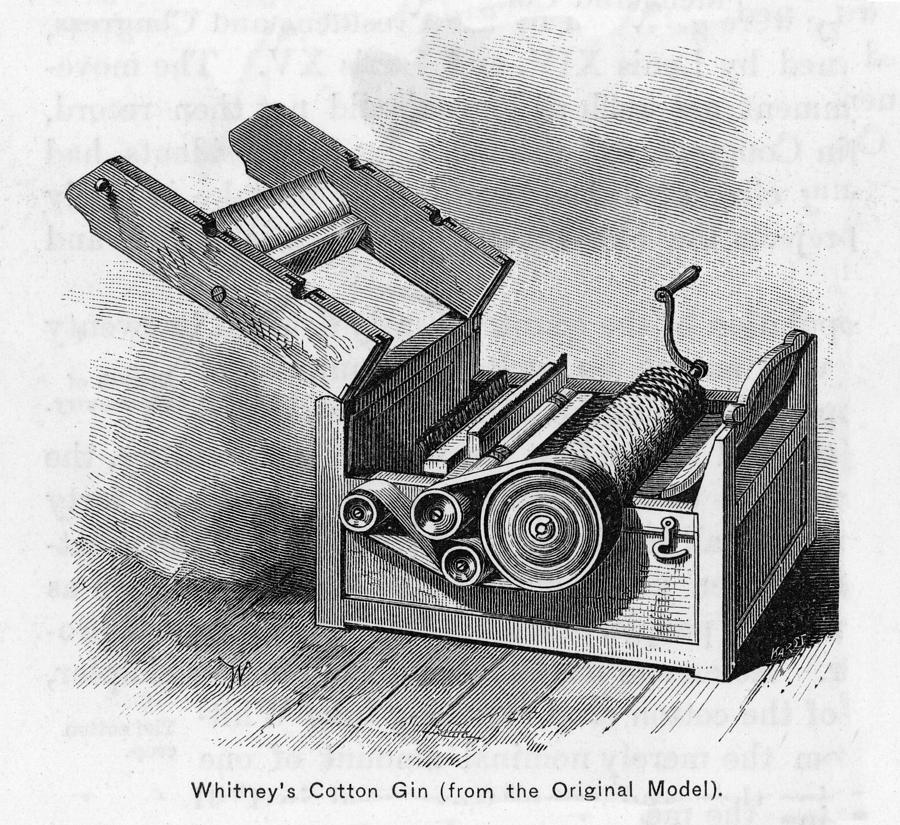
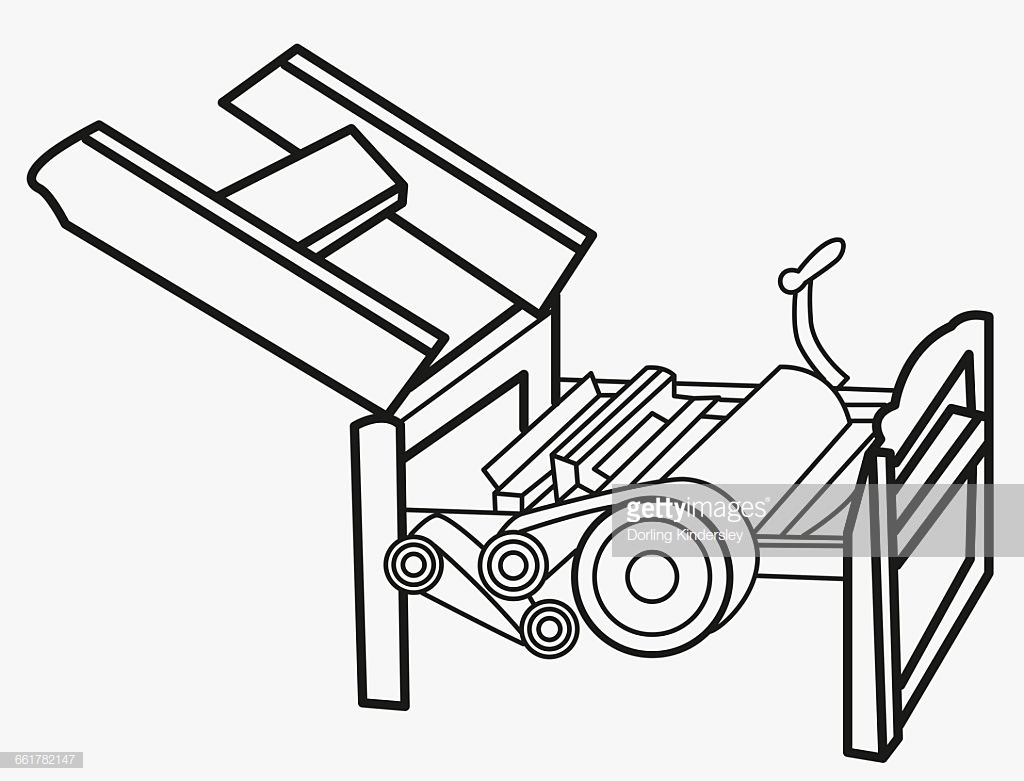
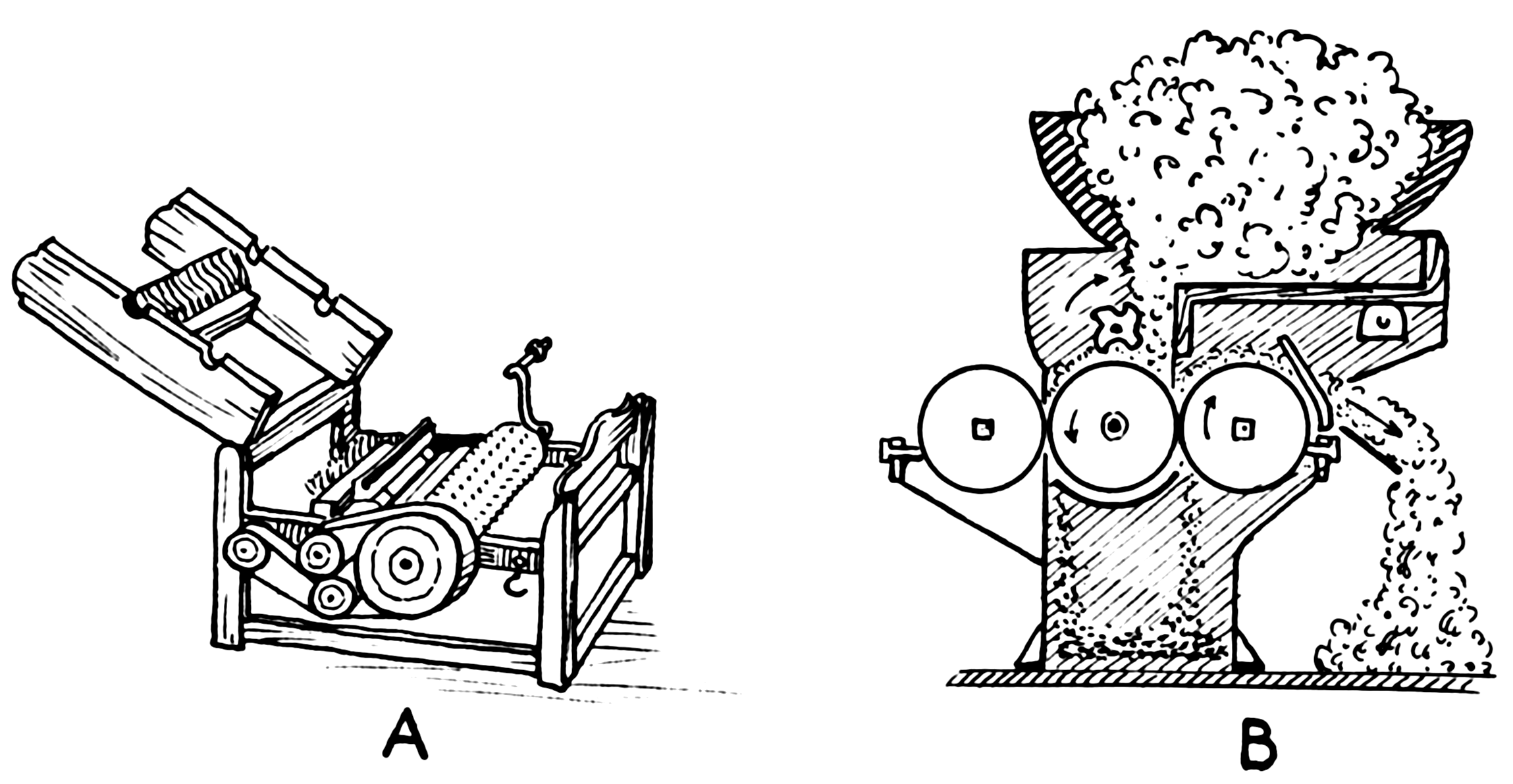
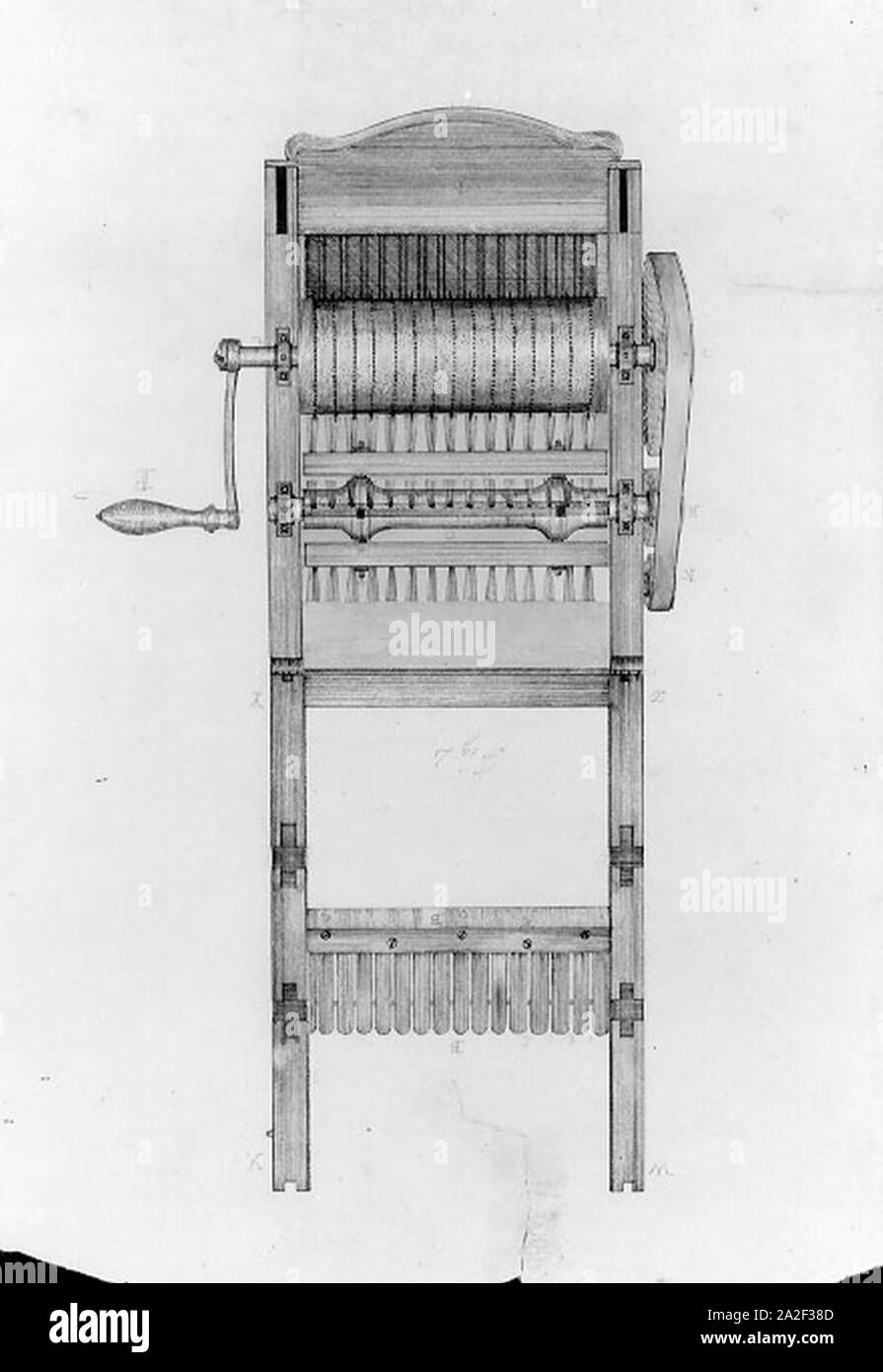
Drawing Of Cotton Gin - In the south, the cotton gin revolutionized the way cotton was harvested and reinvigorated slavery. Eli whitney and the cotton gin. Compare the amount of cotton produced in the united states in 1916 as stated to the amount produced today. South and so institutionalizing slavery. When cotton was fed into the gin, the rotating drum would catch the fibers with its hooks and draw them through a mesh screen, effectively separating them from the sticky green seeds. Web easy to follow directions, using right brain drawing techniques, showing how to draw eli whitney's cotton gin. Before its invention, cotton seeds had to be laboriously removed from the fiber by hand. The separated seeds may be used to grow. Due to a loophole in the 1793 patent law, competitors were able to make cotton gins without his permission. Web narrate what work the cotton gin replaced. Web cotton gin, machine for cleaning cotton of its seeds, invented in the united states by eli whitney in 1793. Web when it comes to drawing a cotton gin, understanding the process is crucial. Web unlock your artistic talents: It is credited with fixing cotton cultivation, virtually to the exclusion of other crops, in the u.s. Web invented by eli whitney, the cotton gin consisted of a sturdy frame made of wood or iron that housed a rotating drum with small wire hooks. Web easy to follow directions, using right brain drawing techniques, showing how to draw eli whitney's cotton gin. The invention was pivotal for anchoring cotton cultivation in the american south, sidelining other crops, and. Due to a loophole in the 1793 patent law, competitors were able to make cotton gins without his permission. Packing cotton for market, loading cotton on ship, whipping cotton, and ginning cotton. Learn how to draw a cotton gin! To begin, you’ll need some basic materials such as paper, a pencil, an eraser, and colored pencils or markers if you choose to add color. It is credited with fixing cotton cultivation, virtually to the exclusion of other crops, in the u.s. The invention was pivotal for anchoring cotton cultivation in the american south, sidelining other crops, and. Web designed. Web when it comes to drawing a cotton gin, understanding the process is crucial. Public domain is a copyright term that is often used when talking about copyright for creative works. Remember to include the hopper, saws, and the collection area for the separated fibers. South and so institutionalizing slavery. | four illustrations with text: Begin by outlining the basic shape of the machine using simple geometric shapes like rectangles and circles. Web easy to follow directions, using right brain drawing techniques, showing how to draw eli whitney's cotton gin. Before its invention, cotton seeds had to be laboriously removed from the fiber by hand. Web a cotton gin—meaning cotton engine —is a machine that. The cotton gin is a. Copyright law, individual items that are in the public domain are items that are no longer protected by copyright law. Remember to include the hopper, saws, and the collection area for the separated fibers. Review the other inventions important to cotton production. It is credited with fixing cotton cultivation, virtually to the exclusion of other. Compare the amount of cotton produced in the united states in 1916 as stated to the amount produced today. Patented in 1794, the cotton gin in retrospect has a dark side to its history. It is credited with fixing cotton cultivation, virtually to the exclusion of other crops, in the u.s. Web a cotton gin—meaning cotton engine —is a machine. South and so institutionalizing slavery. Web the cotton gin was invented in 1793 and the patent for the cotton gin was obtained one year later in 1794. It is credited with fixing cotton cultivation, virtually to the exclusion of other crops, in the u.s. While a cotton gin may seem complex at first glance, breaking it down into its basic. Web a cotton gin—meaning cotton engine —is a machine that quickly and easily separates cotton fibers from their seeds, enabling much greater productivity than manual cotton separation. The invention was pivotal for anchoring cotton cultivation in the american south, sidelining other crops, and. Compare the amount of cotton produced in the united states in 1916 as stated to the amount. To begin, you’ll need some basic materials such as paper, a pencil, an eraser, and colored pencils or markers if you choose to add color. Web when it comes to drawing a cotton gin, understanding the process is crucial. The separated seeds may be used to grow. Eli whitney and the cotton gin. South and so institutionalizing slavery. Review the other inventions important to cotton production. Eli whitney and the cotton gin. Web cotton gin, machine for cleaning cotton of its seeds, invented in the united states by eli whitney in 1793. One of the most significant inventions of the american industrial revolution, the cotton gin turned cotton into a highly profitable crop. Web when it comes to. Web designed to separate cotton fiber from seed, whitney's cotton gin, for which he received a patent on march 14, 1794, introduced a new, profitable technology to agricultural production in america. The machine was used to clean raw cotton and separate it from sticky seeds by pulling the cotton balls through a comb mesh and mechanism of revolving metal teeth. Web invented by eli whitney, the cotton gin consisted of a sturdy frame made of wood or iron that housed a rotating drum with small wire hooks. Web the cotton gin was invented in 1793 and the patent for the cotton gin was obtained one year later in 1794. Web designed to separate cotton fiber from seed, whitney's cotton gin, for which he received a patent on march 14, 1794, introduced a new, profitable technology to agricultural production in america. Web a cotton gin—meaning cotton engine —is a machine that quickly and easily separates cotton fibers from their seeds, enabling much greater productivity than manual cotton separation. Public domain is a copyright term that is often used when talking about copyright for creative works. Web easy to follow directions, using right brain drawing techniques, showing how to draw eli whitney's cotton gin. Web history of sea island cotton 1 print : Eli whitney and the cotton gin. The separated seeds may be used to grow. Web drawing a simple cotton gin can be a fascinating exercise in understanding the mechanics of this revolutionary machine. Review the other inventions important to cotton production. Before its invention, cotton seeds had to be laboriously removed from the fiber by hand. The cotton gin (1793) and his advocacy of interchangeable parts. Copyright law, individual items that are in the public domain are items that are no longer protected by copyright law. The invention was pivotal for anchoring cotton cultivation in the american south, sidelining other crops, and. | four illustrations with text:Cotton Gin ClipArt ETC
how to draw a cotton gin step by step minimalistlinebodyart

Cotton Gin Drawing at GetDrawings Free download
Cotton Gin Drawing Sketch Coloring Page
Cotton Gin Drawing at Explore collection of Cotton
Eli Whitney's cotton gin drawing Stock Photo Alamy
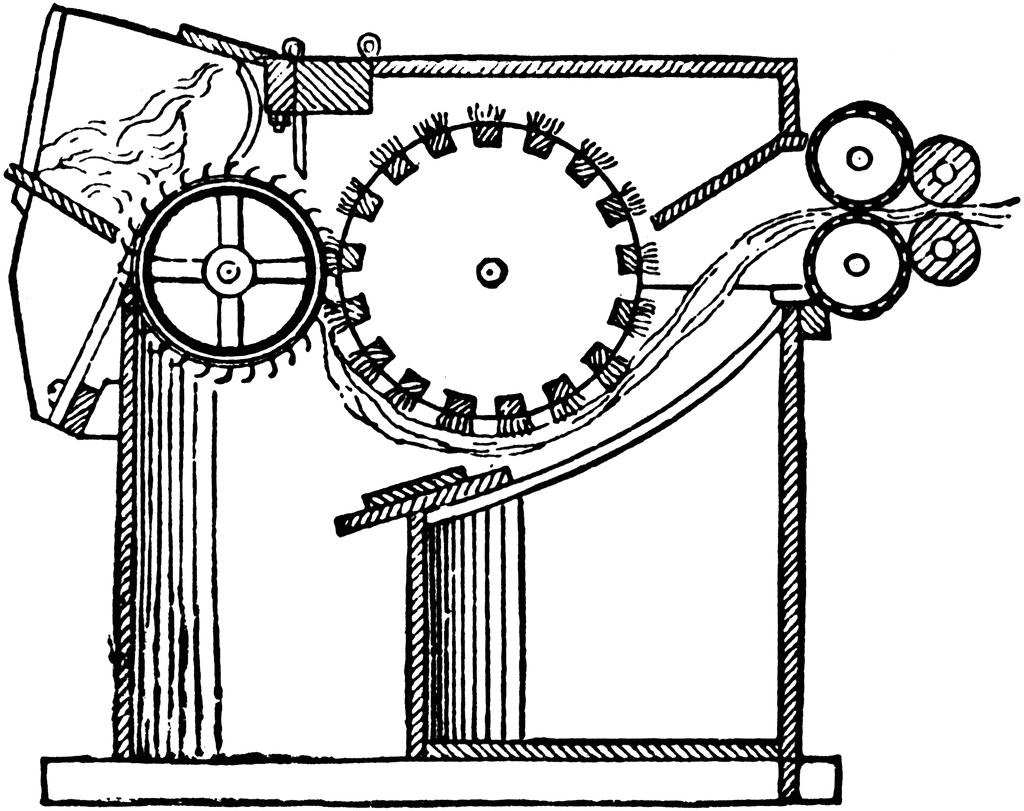
how to draw a cotton gin step by step dragonboatpaddlingtechniques

Cotton Gin Drawing at GetDrawings Free download

Cotton Gin Drawing Sketch Coloring Page
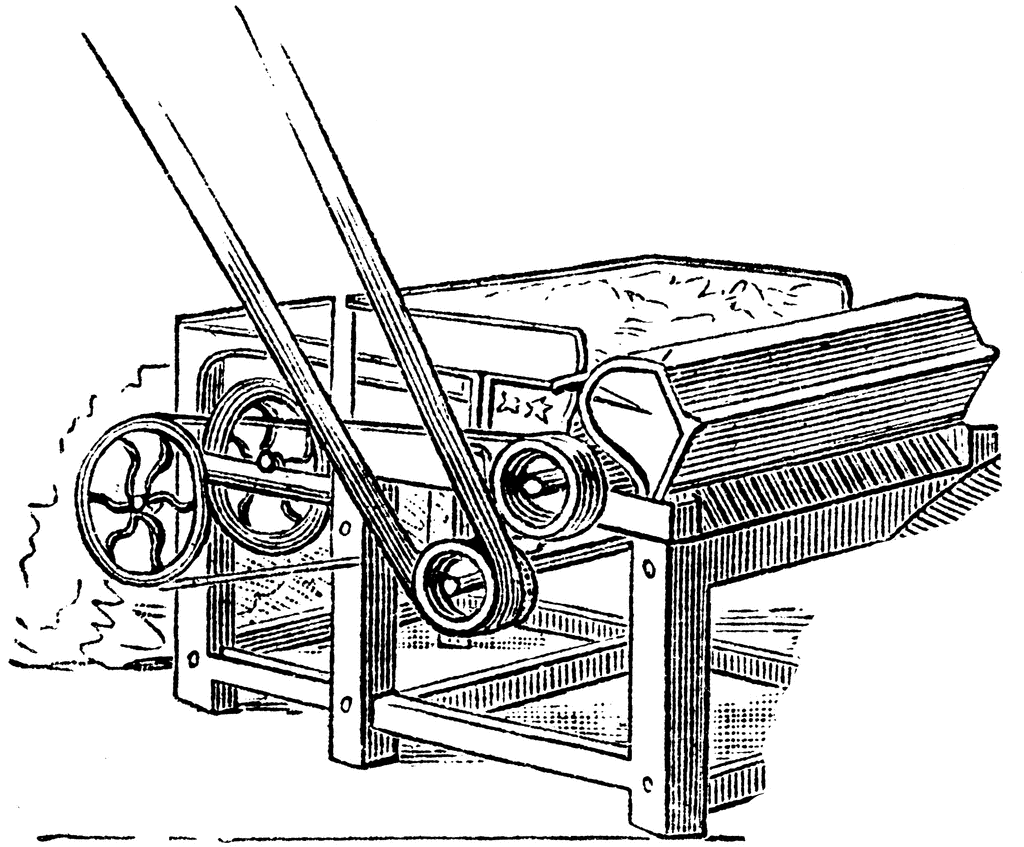
Cotton Gin Drawing Sketch Coloring Page
Due To A Loophole In The 1793 Patent Law, Competitors Were Able To Make Cotton Gins Without His Permission.
Web Drawings Of Cotton Gin From Eli Whitney's Patent Application.
Web Narrate What Work The Cotton Gin Replaced.
Packing Cotton For Market, Loading Cotton On Ship, Whipping Cotton, And Ginning Cotton.
Related Post: